
Reflect Heat Before It Warms Your Home
Radiant barrier systems designed to keep homes cooler during Lawton, Oklahoma summers.
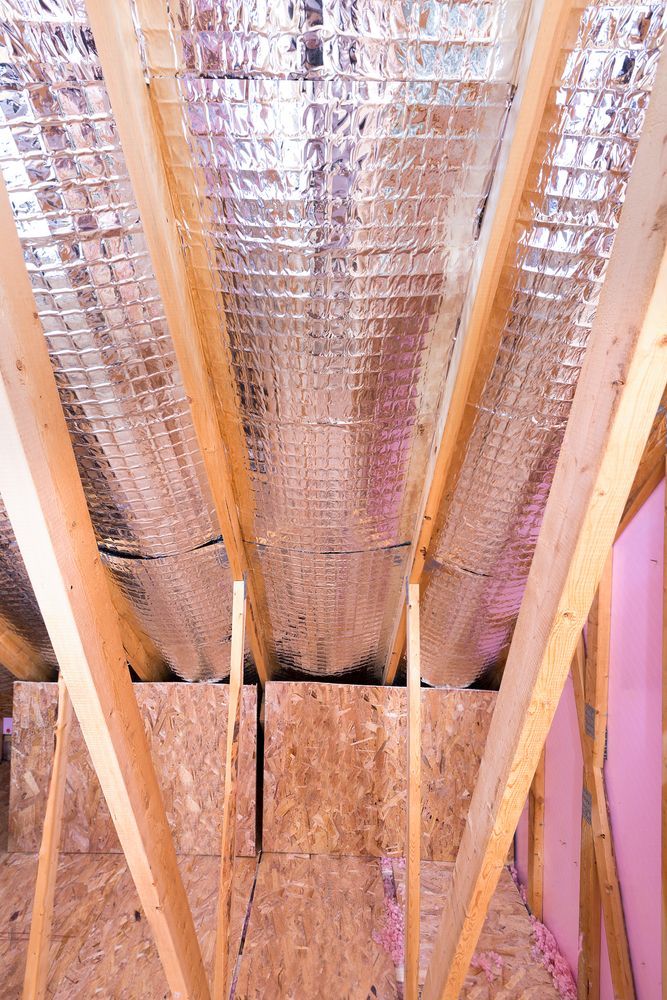
When the afternoon sun beats down on your roof in Lawton and your attic temperature climbs past 140 degrees, that heat radiates downward through your ceiling insulation and into living spaces below. A radiant barrier installed on the underside of your roof decking or rafters reflects most of that radiant heat back toward the roof, preventing it from reaching your insulation and reducing the cooling load on your air conditioner.
Superior Thermal Solutions LLC installs radiant barrier foil that reflects up to 97 percent of radiant heat away from your attic floor. The material consists of a thin aluminum layer bonded to reinforced backing, and we staple it to the underside of roof rafters or drape it over existing insulation depending on your attic configuration. Radiant barriers work best in hot climates like Lawton, where summer heat gain through the roof accounts for a large portion of your cooling costs. They pair well with conventional insulation to provide maximum thermal protection.
Ask about radiant barrier installation options for your Lawton home and we will inspect your attic to determine the best mounting method for your roof structure.
How Radiant Barriers Lower Attic Temperatures
When we install a radiant barrier in your attic in Lawton, we unroll the foil material and attach it to the underside of your roof rafters with staples spaced every few inches to hold it taut. The reflective side faces down toward the attic floor, creating an air gap between the barrier and the roof decking that allows heat to escape through roof vents. In some attics, we lay the barrier over existing insulation with the reflective side facing up to block radiant heat rising from the living space.
After the barrier is in place, your attic temperature will drop by 20 to 30 degrees on sunny days, which reduces the heat load on your ceiling insulation and makes your air conditioner run less often. Rooms on the top floor will feel cooler in the afternoon, and your HVAC system will have an easier time maintaining comfortable temperatures throughout the house. The barrier does not replace insulation, but it stops radiant heat that insulation alone cannot block.
Radiant barriers perform best when installed with at least an inch of air space on the reflective side, so we avoid compressing the foil against roof decking. The material does not degrade or lose reflectivity over time, and it requires no maintenance once installed. It works year-round, but you will notice the biggest difference during summer months when roof surface temperatures peak in the afternoon.
We Get These Questions Regularly
Homeowners often ask us how radiant barriers compare to traditional insulation, whether they work in all climates, and how much they reduce cooling costs.
Superior Thermal Solutions LLC installs radiant barriers throughout Lawton to help homeowners reduce cooling costs and improve upstairs comfort during the hottest months of the year. Learn more by contacting us for an attic inspection, and we will explain how a radiant barrier can complement your existing insulation and lower your attic temperature.